NAD+ Nasal Spray
Compounded NAD+ nasal spray from a telehealth platform. Needle-free delivery with physician oversight.
NMN vs NAD+ explained: precursor supplement or the coenzyme itself, how each is sold in the US, regulatory status and why neither is better proven.

Compounded NAD+ nasal spray from a telehealth platform. Needle-free delivery with physician oversight.
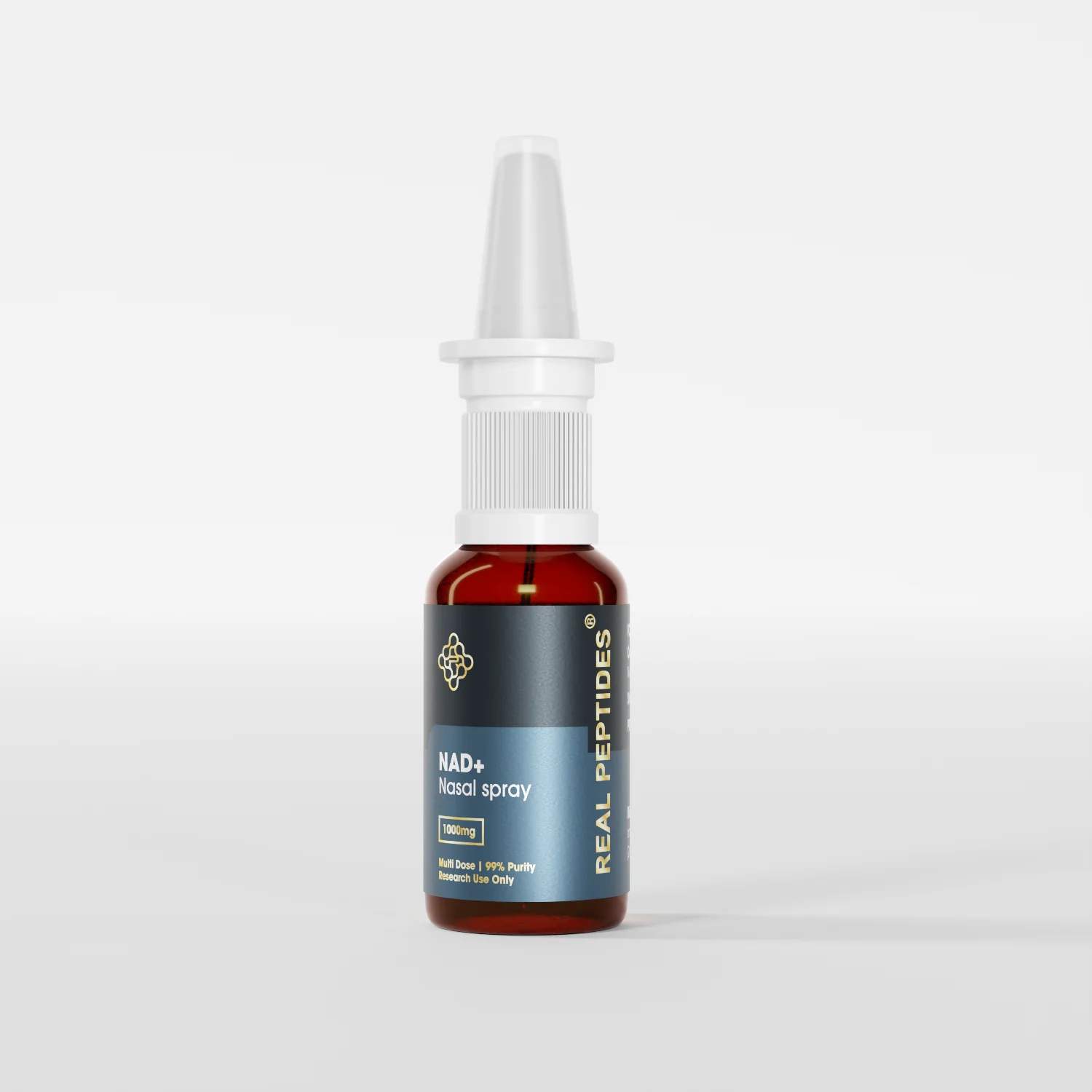
NAD+ in a 1000 mg liquid spray format. Lab tested per lot with COA published. Ships from US stock.
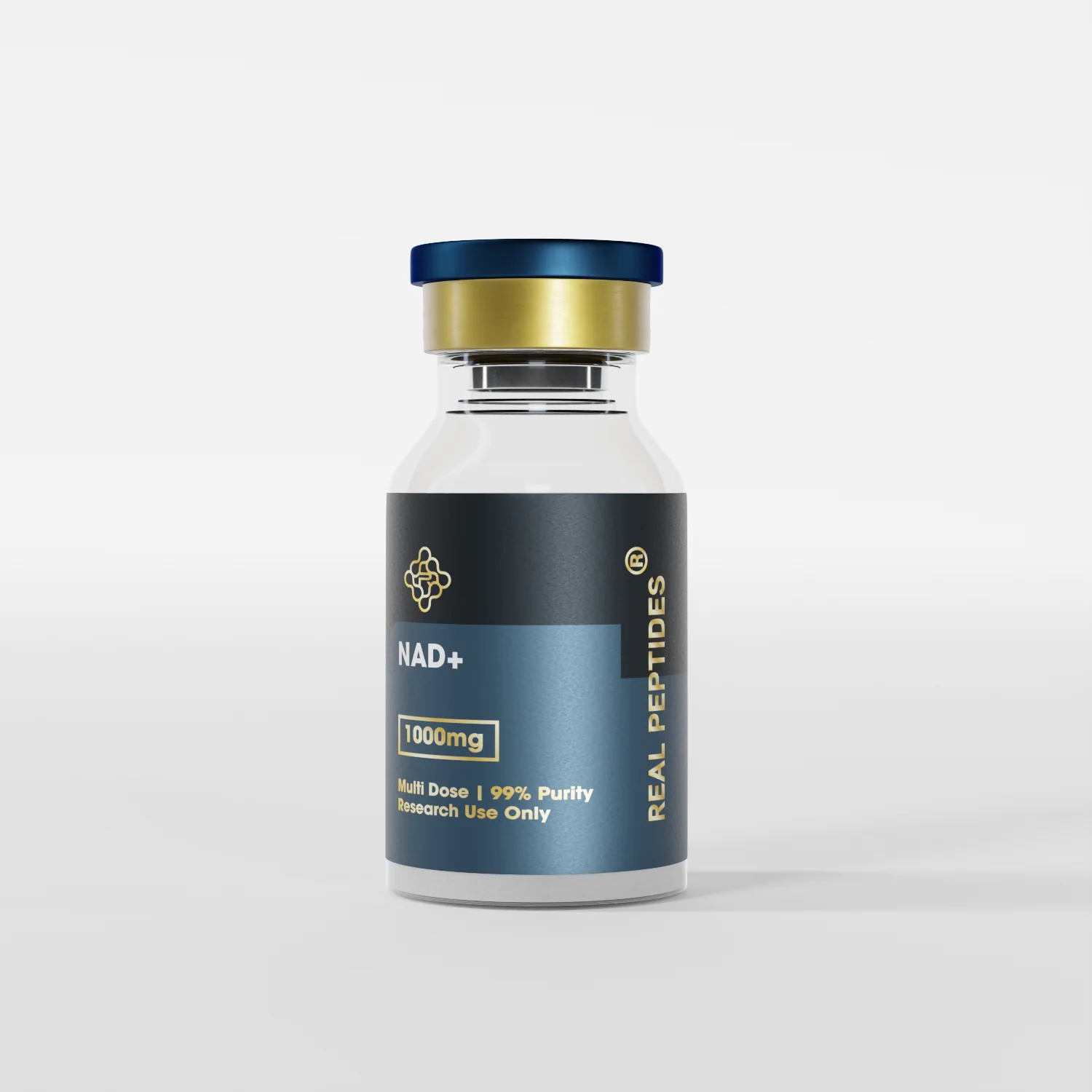
NAD+ research peptide in a multi-dose vial. Independent lab tested with COA published per lot. Ships from US stock.
| Product | Form | Access | Shipping | Strength | Reviews | Price |
|---|---|---|---|---|---|---|
| Arc-1 NAD+ Nasal Spray | Nasal spray (compounded) | Telehealth + Rx | Direct to door | β | 1 | $149.99 |
| Real Peptides NAD+ Peptide Liquid Spray (100 | Liquid spray | β | US stock | 1000mg | β | $120.00 |
| Real Peptides NAD+ Peptide (Multi-Dose Vial) | Lyophilized powder | β | US stock | β | β | $60.00 |
An inexpensive NAD+ product on this website is a $60.00 investigative vial, and the priciest one is a $299.99 medication used for injections, although many consumers not considering either product search for the answer to the comparison of NMN vs NAD+. Instead, they prefer to buy an NMN supplement taken orally. The main distinction between these two types of product is not only in the price difference but also in the fact that NMN serves as a precursor of NAD+.
We often receive inquiries from individuals who find both on the same shelf. This site eventually describes the differences between them, their selling methods in the US, and why it is incorrect to call one of them the better alternative.
Being a precursor, NMN (nicotinamide mononucleotide) is converted by the body into NAD+. NAD+ or nicotinamide adenine dinucleotide is a completed coenzyme that is present in every cell in the body and that is essential for energy metabolism.
Nicotinamide riboside (NR) is another precursor that is available in the market. The premise behind both these supplements is the fact that when NAD+ levels go down with increasing age, the body can be fed the necessary material to produce it. NAD+ products bypass the production process and deliver it via nasal spray, injection, or IV.
That sounds like a clear win for NAD+. It is not, because "delivering the molecule" only matters if it reaches the tissues in a usable form, and for the nasal route that has not been well measured. Our page on how NAD nasal spray is supposed to work covers that gap.
NMN and NR are available in the form of oral supplements, while NAD+ is sold through three methods, namely clinics, telehealth services, and research suppliers. Each method has its own regulations.
| Option | Typical channel | Doctor involved | Example on this site |
|---|---|---|---|
| NMN or NR | Supplement retail | No | None tracked |
| NAD+ nasal spray (Rx) | Telehealth | Yes | Arc-1, $149.99 |
| NAD+ spray (research) | Research vendor | No | Real Peptides 1000mg, $120.00 |
| NAD+ vial (research) | Research vendor | No | Real Peptides, $60.00 |
Contrary to our offering, clinics and med-spas likewise provide NAD+ therapies in the form of IV drips as well as injectables, in regard to which there is no unified price available.
In recent times, NMN's place in the dietary supplement world has faced challenges and its regulation has altered. Therefore, before you make any purchase, check with FDA's current standing instead of simply depending on the seller's product label.
NAD+ sold as a research compound is a different situation. It is not an FDA-approved drug, and research vendors label it "for research use only." In August 2026, FDA warning letters to five online vendors made clear that such labels do not settle the matter on their own. NAD+ was not among the products named, but the logic applies to any site that pairs research products with usage advice.
In telehealth services, drugs like NAD+ from Arc-1 are compounded by pharmacies based on a doctor's prescription. This is a legitimate healthcare pathway and yet not an FDA-approved NAD+ product.
The evidence connecting NMN and NAD+ to any human trial is inconclusive. If someone says otherwise, they are trying to sell the product.
In the case of NAD+ injectable form, at present, there is limited human research on energy, aging, and weight, while the vast majority of substantive data stem from animal or cellular models. The weight-control claims are especially unsupported by controlled human studies. Regarding nasal method delivery, Arc-1 admits in their own listing that data on bioavailability are limited. In addition, precursors have their own set of unresolved questions, without any known parameters for comparison.
A common mistake is to read "NAD+ declines with age" as proof that topping it up does something. Those are two separate claims, and only the first is well documented. The benefits page goes through what the research covers.
An accurate comparison of NMN and NAD costs necessitates that appropriate units are matched, whereas the listings used here seem to lack units. The only NAD+ product with a defined amount is the Real Peptides spray, with a cost of $0.12/ mg for the substance.
Arc-1 does not list a strength for its spray, and Real Peptides does not list a size for its vial. So the only honest comparisons are by listing: $60.00 for the research vial, $120.00 for the research spray, $149.99 for the prescription spray on a monthly subscription model. Comparing any of those to a supplement bottle by milligram would also ignore that the formats are absorbed differently. The cost page breaks the NAD+ side down further.
The first step is to recognize if you are looking for a medical or a research product, as that will make choosing between NMN and NAD a lot simpler than analyzing the specifications. In case you are searching for a product that you can use under the supervision of a medical professional, you should check out the telehealth option.
If anyone purchases lab research supplies, the research vendors should be consulted. NMN should not be included among them. However, if the objective in question was to achieve an actual health outcome, consult a physician beforehand to avoid generating a misleading comparison between NMN and NAD+. Having provided the above information, I would much rather lose a visitor to my website than have someone confuse a reagent with a supplement.
An inexpensive NAD+ product on this website is a $60.00 investigative vial, and the priciest one is a $299.99 medication used for injections, although many consumers not considering either product search for the answer to the comparison of NMN vs NAD+. Instead, they prefer to buy an NMN supplement taken orally. The main distinction between these two types of product is not only in the price difference but also in the fact that NMN serves as a precursor of NAD+.
We often receive inquiries from individuals who find both on the same shelf. This site eventually describes the differences between them, their selling methods in the US, and why it is incorrect to call one of them the better alternative.
Being a precursor, NMN (nicotinamide mononucleotide) is converted by the body into NAD+. NAD+ or nicotinamide adenine dinucleotide is a completed coenzyme that is present in every cell in the body and that is essential for energy metabolism.
Nicotinamide riboside (NR) is another precursor that is available in the market. The premise behind both these supplements is the fact that when NAD+ levels go down with increasing age, the body can be fed the necessary material to produce it. NAD+ products bypass the production process and deliver it via nasal spray, injection, or IV.
That sounds like a clear win for NAD+. It is not, because "delivering the molecule" only matters if it reaches the tissues in a usable form, and for the nasal route that has not been well measured. Our page on how NAD nasal spray is supposed to work covers that gap.
NMN and NR are available in the form of oral supplements, while NAD+ is sold through three methods, namely clinics, telehealth services, and research suppliers. Each method has its own regulations.
| Option | Typical channel | Doctor involved | Example on this site |
|---|---|---|---|
| NMN or NR | Supplement retail | No | None tracked |
| NAD+ nasal spray (Rx) | Telehealth | Yes | Arc-1, $149.99 |
| NAD+ spray (research) | Research vendor | No | Real Peptides 1000mg, $120.00 |
| NAD+ vial (research) | Research vendor | No | Real Peptides, $60.00 |
Contrary to our offering, clinics and med-spas likewise provide NAD+ therapies in the form of IV drips as well as injectables, in regard to which there is no unified price available.
In recent times, NMN's place in the dietary supplement world has faced challenges and its regulation has altered. Therefore, before you make any purchase, check with FDA's current standing instead of simply depending on the seller's product label.
NAD+ sold as a research compound is a different situation. It is not an FDA-approved drug, and research vendors label it "for research use only." In August 2026, FDA warning letters to five online vendors made clear that such labels do not settle the matter on their own. NAD+ was not among the products named, but the logic applies to any site that pairs research products with usage advice.
In telehealth services, drugs like NAD+ from Arc-1 are compounded by pharmacies based on a doctor's prescription. This is a legitimate healthcare pathway and yet not an FDA-approved NAD+ product.
The evidence connecting NMN and NAD+ to any human trial is inconclusive. If someone says otherwise, they are trying to sell the product.
In the case of NAD+ injectable form, at present, there is limited human research on energy, aging, and weight, while the vast majority of substantive data stem from animal or cellular models. The weight-control claims are especially unsupported by controlled human studies. Regarding nasal method delivery, Arc-1 admits in their own listing that data on bioavailability are limited. In addition, precursors have their own set of unresolved questions, without any known parameters for comparison.
A common mistake is to read "NAD+ declines with age" as proof that topping it up does something. Those are two separate claims, and only the first is well documented. The benefits page goes through what the research covers.