NAD+

NAD nasal spray side effects: what is documented, what clinics report with IV NAD+, and product quality issues like leaks that can look like reactions.
Most reported side effects are mild and temporary. Common reactions include flushing, nausea, headache and injection-site redness. If symptoms persist or worsen, stop use and consult a healthcare provider.
The best-documented NAD+ reactions come from IV infusions, where clinics commonly report flushing, nausea, chest tightness or cramping when it is given fast. For NAD nasal spray side effects, there is no comparable clinical record. Arc-1, which sells a $149.99 prescription spray, notes in its own listing that bioavailability data for the nasal route are limited, and the safety picture is limited in the same way.
We will not attempt to fill this void with fabricated survey statistics and statements. This page indicates what has been proven, what has not, and the product problems that may appear as a reaction, but are actually a quality concern.
The information regarding NAD+ processes comes mainly from studies that highlight intravenous administration in medical institutions. Very little information is available about the safety of NAD nasal sprays, as there are no relevant human studies.
That leaves a buyer with three layers of information, each weaker than the one before:
NAD+ sprays have not been scientifically tested to determine their long-term safety. When a retailer claims that a spray has "no adverse effects", that is a marketing gimmick.
Clinics providing NAD+ through IV often mention flushing, nausea, chest tightness or cramping, which they attribute to quick infusions. These findings are clinics’ and general observations, rather than data derived from a controlled clinical trial.
We include them because they are the only concrete reaction pattern on record for NAD+. They should not be carried over to sprays as if the experience were the same. A spray is a different route with a different absorption profile, and the amount reaching circulation has not been well measured. Our spray vs injection page compares the formats on evidence.
The nasal administration technique eliminates both the needle and the infusion, hence the environment of the reported IV reactions is removed so there is still no need of safety information of this route.
With a spray, the contact point is the nose, so local discomfort is the kind of thing a person might notice. Beyond that, we cannot say anything specific, because no data in our facts describe spray-specific reactions or how often they happen. I would treat any claim of a precise side-effect rate for NAD+ sprays with suspicion. The page on how the spray is supposed to work explains why the route is still an open question.
A number of issues regarding the spray are there concerning the product and not regarding the body. Cases of leaking and bottles that are improperly filled along with incorrectly marked bottles are recurring problems in the field of liquid research.
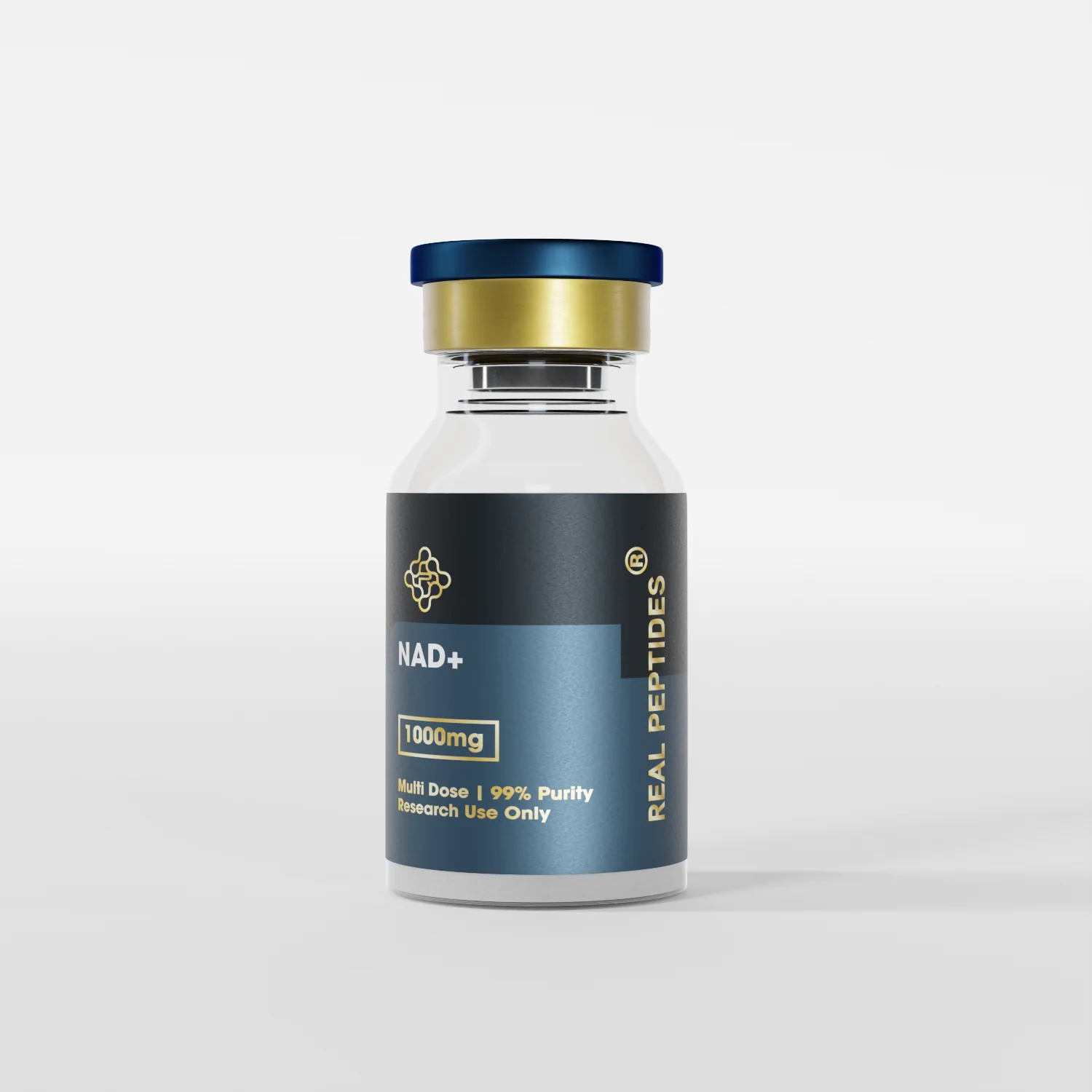
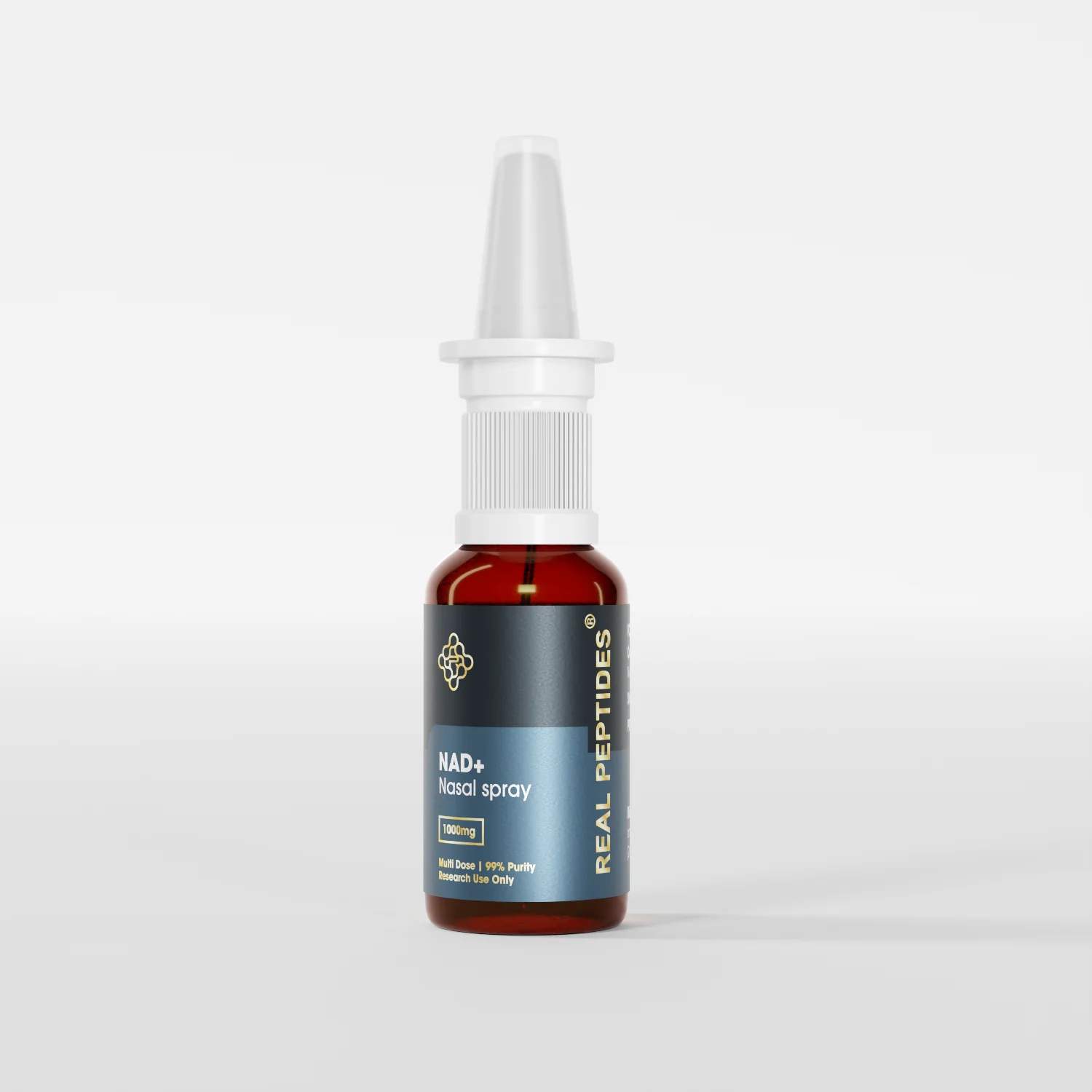
Real Peptides, which sells a 1000mg NAD+ research spray for $120.00, holds a 4.2 out of 5 Trustpilot score from 85 reviews in the last 12 months. Positive themes include fast support and quick replacements or refunds. Complaints include leaking or under-filled liquid products, mislabeled vials and shipping delays. None of that is a side effect, but a leaking or mislabeled product means you cannot be sure what is in it. Checks we suggest on arrival:
It's important to know that the Real Peptides spray is available for research purposes only and should not be consumed by people. Consumers are not the intended customer for the product hence no safety information is available.
If you’re concerned about any symptoms (including potentially harmful side effects of NAD nasal spray), do not hesitate to reach out to your doctor rather than someone else, like a retailer or an online forum. With a prescription nasal spray from a telehealth provider such as Arc-1, the person to turn to is the prescriber.
People with existing health conditions, those who are pregnant, and anyone on other medicines should get medical input before considering any NAD+ product. NAD+ is not an FDA-approved drug for any condition, and the compounded Arc-1 spray goes through a physician precisely so someone qualified is responsible. If you are still deciding whether a prescription is required at all, our prescription page sets out the difference between the two routes.
The best-documented NAD+ reactions come from IV infusions, where clinics commonly report flushing, nausea, chest tightness or cramping when it is given fast. For NAD nasal spray side effects, there is no comparable clinical record. Arc-1, which sells a $149.99 prescription spray, notes in its own listing that bioavailability data for the nasal route are limited, and the safety picture is limited in the same way.
We will not attempt to fill this void with fabricated survey statistics and statements. This page indicates what has been proven, what has not, and the product problems that may appear as a reaction, but are actually a quality concern.
The information regarding NAD+ processes comes mainly from studies that highlight intravenous administration in medical institutions. Very little information is available about the safety of NAD nasal sprays, as there are no relevant human studies.
That leaves a buyer with three layers of information, each weaker than the one before:
NAD+ sprays have not been scientifically tested to determine their long-term safety. When a retailer claims that a spray has "no adverse effects", that is a marketing gimmick.
Clinics providing NAD+ through IV often mention flushing, nausea, chest tightness or cramping, which they attribute to quick infusions. These findings are clinics’ and general observations, rather than data derived from a controlled clinical trial.
We include them because they are the only concrete reaction pattern on record for NAD+. They should not be carried over to sprays as if the experience were the same. A spray is a different route with a different absorption profile, and the amount reaching circulation has not been well measured. Our spray vs injection page compares the formats on evidence.
The nasal administration technique eliminates both the needle and the infusion, hence the environment of the reported IV reactions is removed so there is still no need of safety information of this route.
With a spray, the contact point is the nose, so local discomfort is the kind of thing a person might notice. Beyond that, we cannot say anything specific, because no data in our facts describe spray-specific reactions or how often they happen. I would treat any claim of a precise side-effect rate for NAD+ sprays with suspicion. The page on how the spray is supposed to work explains why the route is still an open question.
A number of issues regarding the spray are there concerning the product and not regarding the body. Cases of leaking and bottles that are improperly filled along with incorrectly marked bottles are recurring problems in the field of liquid research.
Real Peptides, which sells a 1000mg NAD+ research spray for $120.00, holds a 4.2 out of 5 Trustpilot score from 85 reviews in the last 12 months. Positive themes include fast support and quick replacements or refunds. Complaints include leaking or under-filled liquid products, mislabeled vials and shipping delays. None of that is a side effect, but a leaking or mislabeled product means you cannot be sure what is in it. Checks we suggest on arrival:
It's important to know that the Real Peptides spray is available for research purposes only and should not be consumed by people. Consumers are not the intended customer for the product hence no safety information is available.