NAD+ Nasal Spray
Compounded NAD+ nasal spray from a telehealth platform. Needle-free delivery with physician oversight.
NAD spray vs injection compared on price, access, evidence and regulatory exposure: Arc-1 spray $149.99, injections $299.99, plus research options.

Compounded NAD+ nasal spray from a telehealth platform. Needle-free delivery with physician oversight.
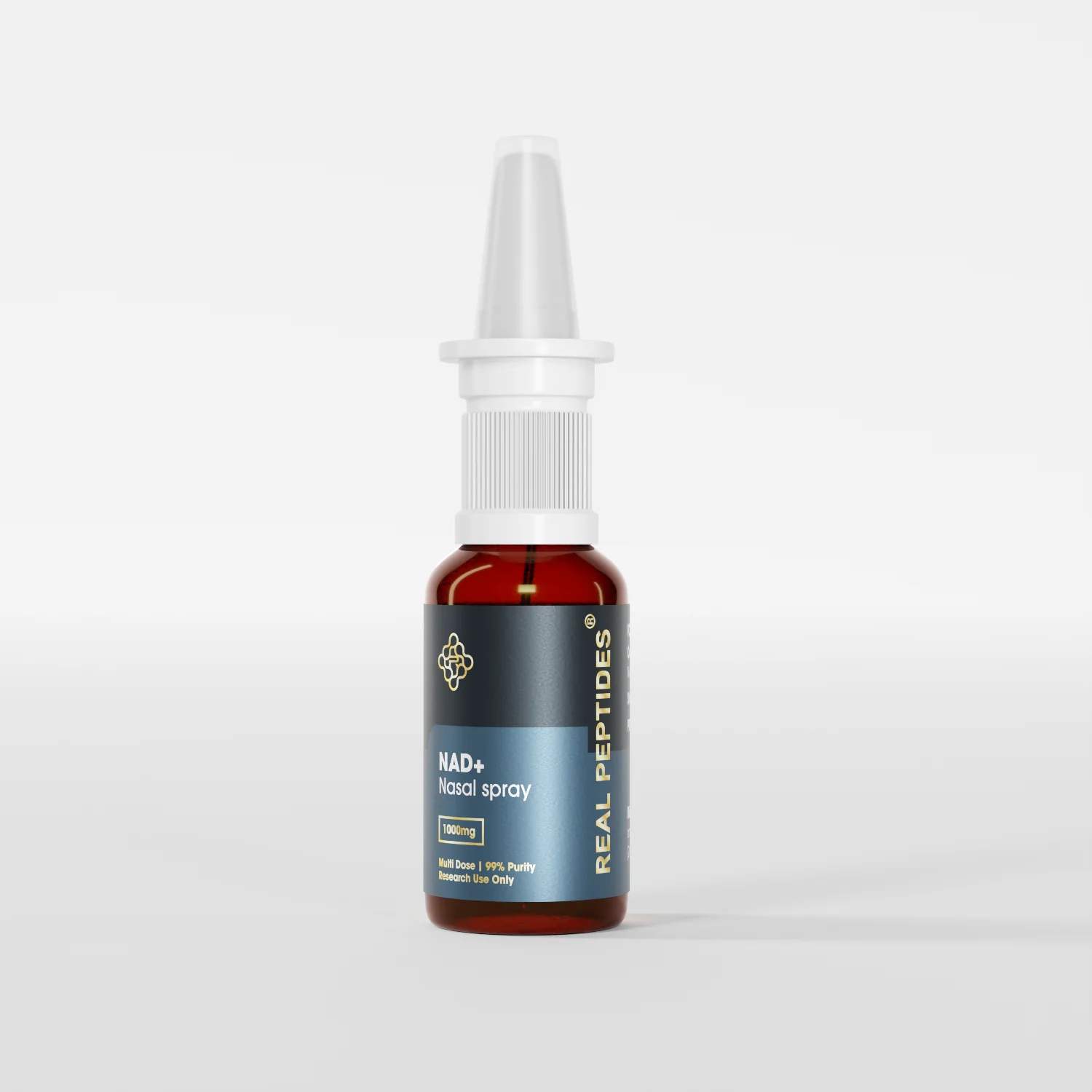
NAD+ in a 1000 mg liquid spray format. Lab tested per lot with COA published. Ships from US stock.
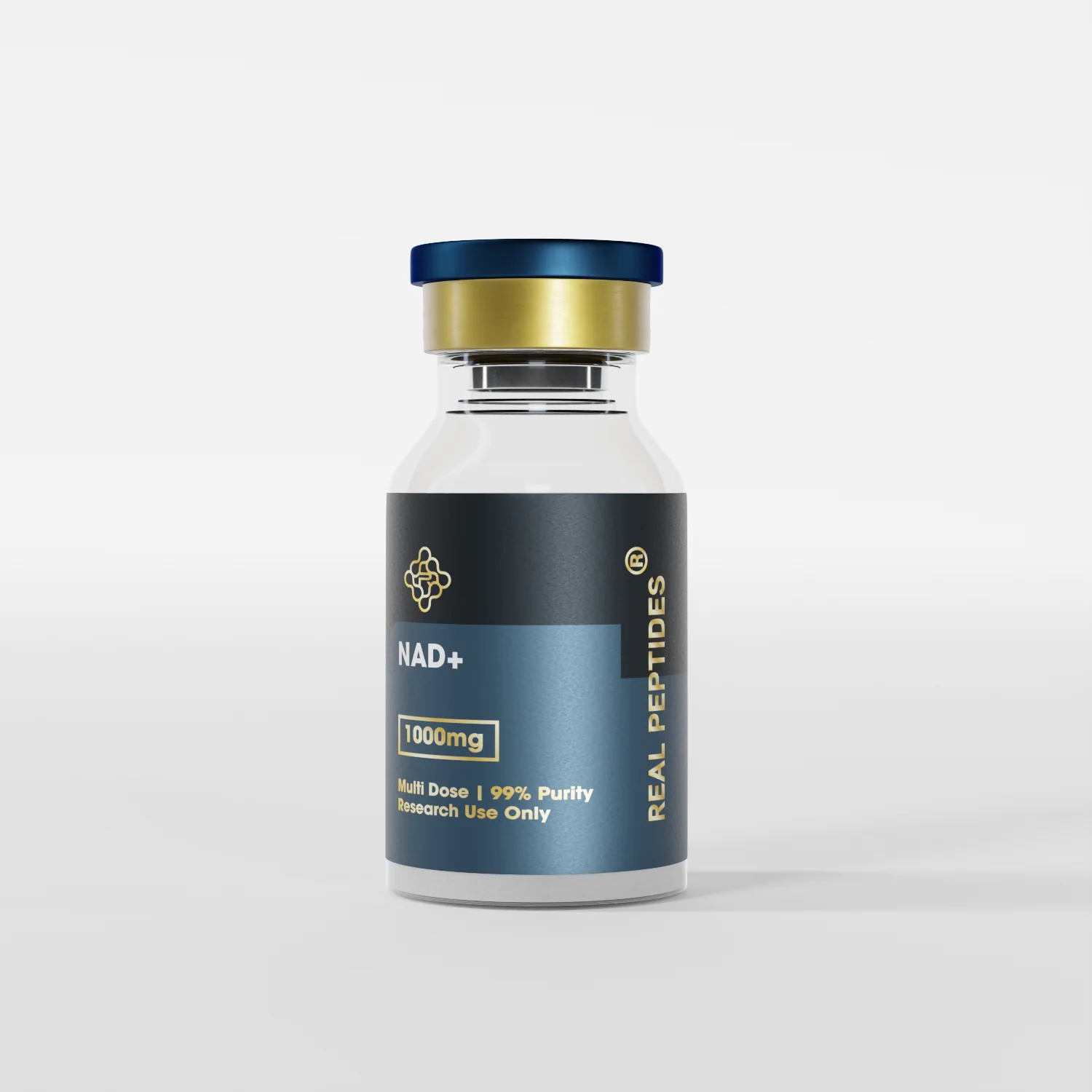
NAD+ research peptide in a multi-dose vial. Independent lab tested with COA published per lot. Ships from US stock.
| Product | Form | Access | Shipping | Strength | Reviews | Price |
|---|---|---|---|---|---|---|
| Arc-1 NAD+ Nasal Spray | Nasal spray (compounded) | Telehealth + Rx | Direct to door | — | 1 | $149.99 |
| Real Peptides NAD+ Peptide Liquid Spray (100 | Liquid spray | — | US stock | 1000mg | — | $120.00 |
| Real Peptides NAD+ Peptide (Multi-Dose Vial) | Lyophilized powder | — | US stock | — | — | $60.00 |
Arc-1 lists its prescription NAD+ injections at $299.99 and its prescription nasal spray at $149.99, so on that one vendor the spray costs exactly $150.00 less. That gap is the first thing most people notice in the NAD spray vs injection decision. The second thing should be that neither format has strong controlled human evidence behind it, and the nasal route has the least data of all.
The comparison of the two formats is done based on cost, access, proof, and regulatory exposure. Any information concerning the application of product as well as any information about the doses and practice is missing.
For four NAD+ sources we keep track of, the pricing ranges from $60.00 to $299.99, whereas, for the price, the format is insignificant as long as a doctor is involved. The complete list is provided here:
| Listing | Format | Price | Access |
|---|---|---|---|
| Arc-1 NAD+ Injections | Compounded injectable | $299.99 | Telehealth + Rx |
| Arc-1 NAD+ Nasal Spray | Compounded nasal spray | $149.99 | Telehealth + Rx |
| Real Peptides NAD+ Liquid Spray (1000mg) | Liquid spray | $120.00 | Research use only |
| Real Peptides NAD+ Peptide (Multi-Dose Vial) | Lyophilized powder | $60.00 | Research use only |
Among the research products the pattern flips: the spray costs twice as much as the vial. Real Peptides itself lists the spray's "higher price point than vial" as a downside. A per-mg comparison is only possible for the spray, at $0.12 per mg, since no vial size is published. The cost page covers subscription and shipping effects.
Both the prescription spray and prescription injectable necessitate an online medical intake as well as a physician's prescription. Conversely, the research spray and vial do not, and provide no instructions.
Arc-1 lists "requires online medical intake" as a downside of its injectable and "no needles" as an upside of its spray. For many people that is the real choice: needle-free versus needle-based, both under a prescriber who decides what is appropriate. The prescriber also decides the amount and how often, which is why no responsible site prints those for you. Our dosage page explains why.
For the research aspect in both cases, the product comes in a vial in the injectable format as well as in the form of a spray. The product contains terms of "for research only." In addition, third-party certification is provided and there is no assistance given.
There are not many human studies indicating benefits of injectable NAD+ regarding energy, aging, and body weight, and there is even less research concerning nasal delivery with Arc-1’s own information on biovailability being limited. Most valid NAD+ data come from cellular and animal experiments.
So the NAD spray vs injection question cannot be settled by "which one works better," because neither has controlled trials showing it delivers the outcomes marketed. What can be said is that injected and IV NAD+ have more history in clinics. Whether a spray gets a comparable amount of NAD+ into circulation has not been established. Our page on how the nasal route is supposed to work goes through the theory.
Some clinics frequently mention that injecting NAD+ through IV can lead to experiences such as flushing, nausea, or getting a tightness across one's chest when it is administered in large doses. However, these discoveries are made specifically for injections administered directly in the vein.
For nasal sprays there is no comparable body of clinic reporting in the facts we work from. That is not the same as saying sprays have no side effects. It means the information is thinner, and anyone using a prescription product should raise concerns with the prescriber. The side effects page collects what is and is not documented.
Format affects how regulators read a research product, and injectable formats come with one extra flag. In its 24 August 2026 warning letters to five online vendors, FDA named bacteriostatic water among the products and treated bacteriostatic water sold next to injectables as evidence that products were meant for people.
NAD+ was not mentioned as a product. That suggests that the manufacturers have become aware of why researchers do not want to offer mixing kits in bottles. If a researcher sprays a drug, there is no need for bacteriostatic water, but unfortunately, the mention of health or dosing instructions would prompt similar questions. FDA officials stated that relying only on "for research use only" is insufficient to make a definitive conclusion.
Neither of these products has been approved by the FDA, and the method of compounding the Arc-1 variant is not an FDA approved method. If I had to pick between the NAD spray and the injection route, I would first ask a doctor questions and then consider using the prescription version.
Arc-1 lists its prescription NAD+ injections at $299.99 and its prescription nasal spray at $149.99, so on that one vendor the spray costs exactly $150.00 less. That gap is the first thing most people notice in the NAD spray vs injection decision. The second thing should be that neither format has strong controlled human evidence behind it, and the nasal route has the least data of all.
The comparison of the two formats is done based on cost, access, proof, and regulatory exposure. Any information concerning the application of product as well as any information about the doses and practice is missing.
For four NAD+ sources we keep track of, the pricing ranges from $60.00 to $299.99, whereas, for the price, the format is insignificant as long as a doctor is involved. The complete list is provided here:
| Listing | Format | Price | Access |
|---|---|---|---|
| Arc-1 NAD+ Injections | Compounded injectable | $299.99 | Telehealth + Rx |
| Arc-1 NAD+ Nasal Spray | Compounded nasal spray | $149.99 | Telehealth + Rx |
| Real Peptides NAD+ Liquid Spray (1000mg) | Liquid spray | $120.00 | Research use only |
| Real Peptides NAD+ Peptide (Multi-Dose Vial) | Lyophilized powder | $60.00 | Research use only |
Among the research products the pattern flips: the spray costs twice as much as the vial. Real Peptides itself lists the spray's "higher price point than vial" as a downside. A per-mg comparison is only possible for the spray, at $0.12 per mg, since no vial size is published. The cost page covers subscription and shipping effects.
Both the prescription spray and prescription injectable necessitate an online medical intake as well as a physician's prescription. Conversely, the research spray and vial do not, and provide no instructions.
Arc-1 lists "requires online medical intake" as a downside of its injectable and "no needles" as an upside of its spray. For many people that is the real choice: needle-free versus needle-based, both under a prescriber who decides what is appropriate. The prescriber also decides the amount and how often, which is why no responsible site prints those for you. Our dosage page explains why.
For the research aspect in both cases, the product comes in a vial in the injectable format as well as in the form of a spray. The product contains terms of "for research only." In addition, third-party certification is provided and there is no assistance given.
There are not many human studies indicating benefits of injectable NAD+ regarding energy, aging, and body weight, and there is even less research concerning nasal delivery with Arc-1’s own information on biovailability being limited. Most valid NAD+ data come from cellular and animal experiments.
So the NAD spray vs injection question cannot be settled by "which one works better," because neither has controlled trials showing it delivers the outcomes marketed. What can be said is that injected and IV NAD+ have more history in clinics. Whether a spray gets a comparable amount of NAD+ into circulation has not been established. Our page on how the nasal route is supposed to work goes through the theory.
Some clinics frequently mention that injecting NAD+ through IV can lead to experiences such as flushing, nausea, or getting a tightness across one's chest when it is administered in large doses. However, these discoveries are made specifically for injections administered directly in the vein.
For nasal sprays there is no comparable body of clinic reporting in the facts we work from. That is not the same as saying sprays have no side effects. It means the information is thinner, and anyone using a prescription product should raise concerns with the prescriber. The side effects page collects what is and is not documented.