NAD+

NAD spray benefits checked against the evidence: what cell and animal research shows, what lacks human trials, and why nasal delivery data are limited.
In published research, the majority of participants tolerated supplementation without serious adverse events. Most side effects were mild, transient, and self-resolving.
Arc-1, the telehealth service that sells a $149.99 prescription NAD+ nasal spray, states in its own listing that bioavailability data for the nasal route are limited. That single line frames every claim about NAD spray benefits. Before any benefit can apply, enough NAD+ has to get where it is supposed to go, and for sprays that has not been well measured.
Numerous types of vendor and clinic copy regarding NAD+ have been reviewed by us. The information in this page differentiates what is scientifically backed and what is simply marketing.
One of the coenzymes located in all living cells is NAD+. This substance is essential for the process in which cells transform food into energy.
Several researches show that the NAD+ level decreases with age. This is the base principle for most of the claims made about the advantages of the NAD spray. Logic suggests the following: if the levels are low, they need to be restored for the improvement to be achieved. The first part of the logic is valid. The second part, however, is merely guesswork and it is where the evidence becomes scarce.
The body can also make NAD+ from precursors such as NMN and NR, which are sold as oral supplements. Our NMN vs NAD+ comparison covers how that route differs.
NAD+ benefit statements are mostly backed by animal studies and cell research rather than controlled human clinical trials. This is the most important detail to remember while looking through a sales page about these benefits.
Research done in laboratories and with animals has investigated NAD+ in terms of energy metabolism and aging. These results in those models serve as grounds for claims related to energy and aging. There is little evidence in humans for injected NAD+ in terms of energy, aging and weight loss. The body of evidence on nasal sprays in humans is not only scanty but the mode of administration itself has little data on bioavailability.
Here is how the evidence stacks up by type, in plain terms:
| Evidence type | What it shows | Applies to sprays directly |
|---|---|---|
| Cell studies | NAD+ role in energy metabolism | No |
| Animal studies | Effects of raising NAD+ in models of ageing and metabolism | No |
| Human data, injectable NAD+ | Limited | No |
| Human data, nasal route | Bioavailability data limited | Yes, and it is the weakest link |
Weight loss is the most obvious NAD+ claim that is not supported by evidence in human clinical trials although it is still frequently seen in advertisements by clinics and telemedicine providers.
Anti-aging claims are in the same category. The decrease in NAD+ with age does not prove that a spray can reverse anything; claims that an NAD+ product cures or prevents a disease is an entirely different matter, as there is no NAD+ spray, not even a research grade or compounded form, that has been approved as a drug for anything by the FDA.
One error made by buyers arises when they assume that a clinic being popular should be taken as proof for its credibility. Though clinics, med-spas, and telehealths all provide NAD+, the demand shouldn’t be mistaken for data.
Even if there is solid human evidence for NAD+ by itself, a spray must have evidence that the delivery of the actual molecule actually occurs.
The limited human evidence that exists concerns injectable NAD+. A spray is a different delivery path with a different absorption profile, and results from one format cannot be carried over to another. The needle-free format is a real convenience. It is not a benefit to the body. If you want the mechanics, our page on how NAD nasal spray is supposed to work goes through the theory and its gaps.
The best and quickest test to know if any page listing the benefits of NAD sprays is reliable is whether it separates animal research findings from human research results. Those pages that mix the two are usually the ones to be ignored.
The warning letters which the FDA issued on 24 August 2026 to five online vendors of peptides are applicable here. The FDA stated that it evaluates the whole site and considered disease claims and dosage information as indicators of a product aimed at human consumption. NAD+ was not referred to in the warning letters. The research vendor that keeps its NAD+ page free of health-related claims is complying with these regulations and is not hiding any information. Indicators giving away possible violations:
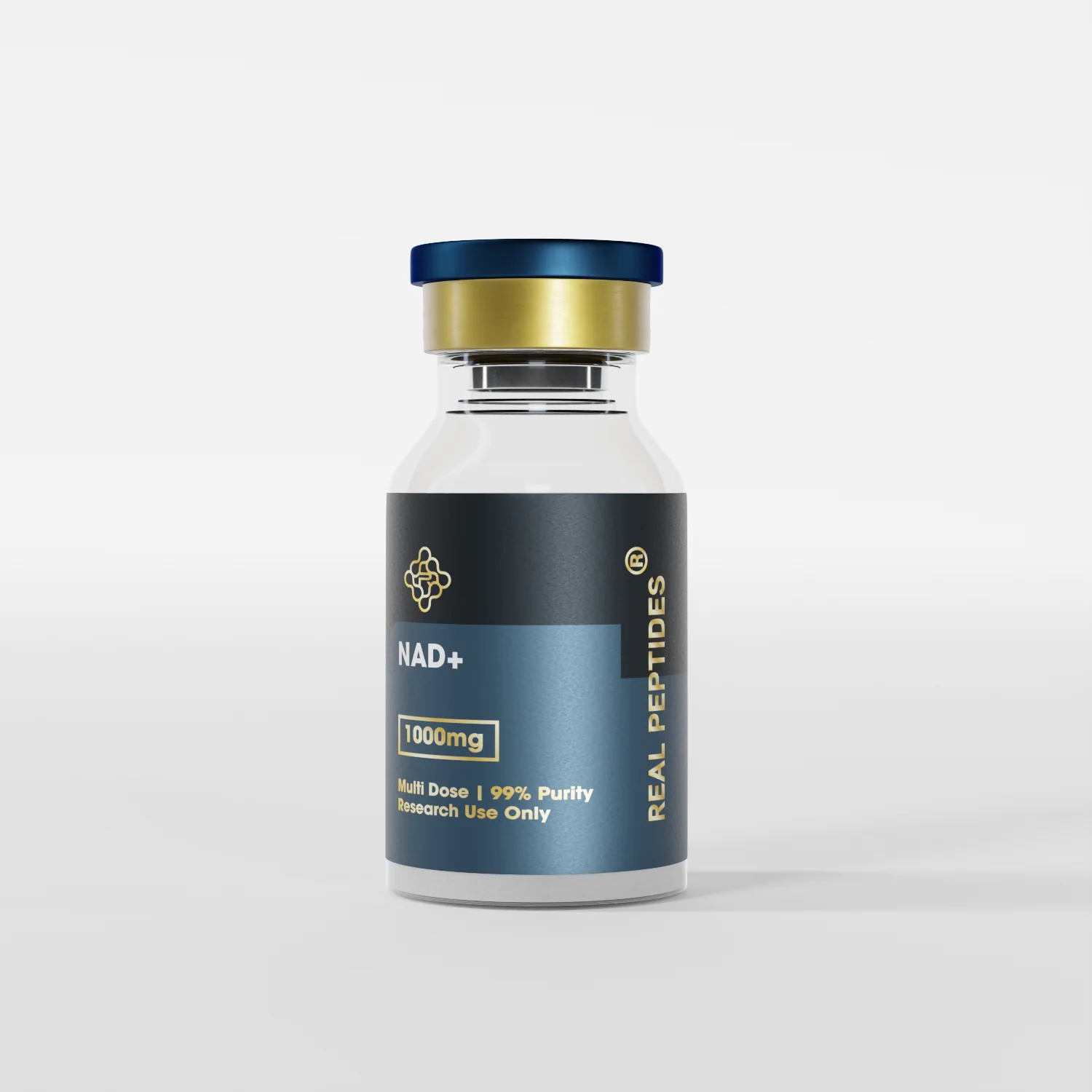
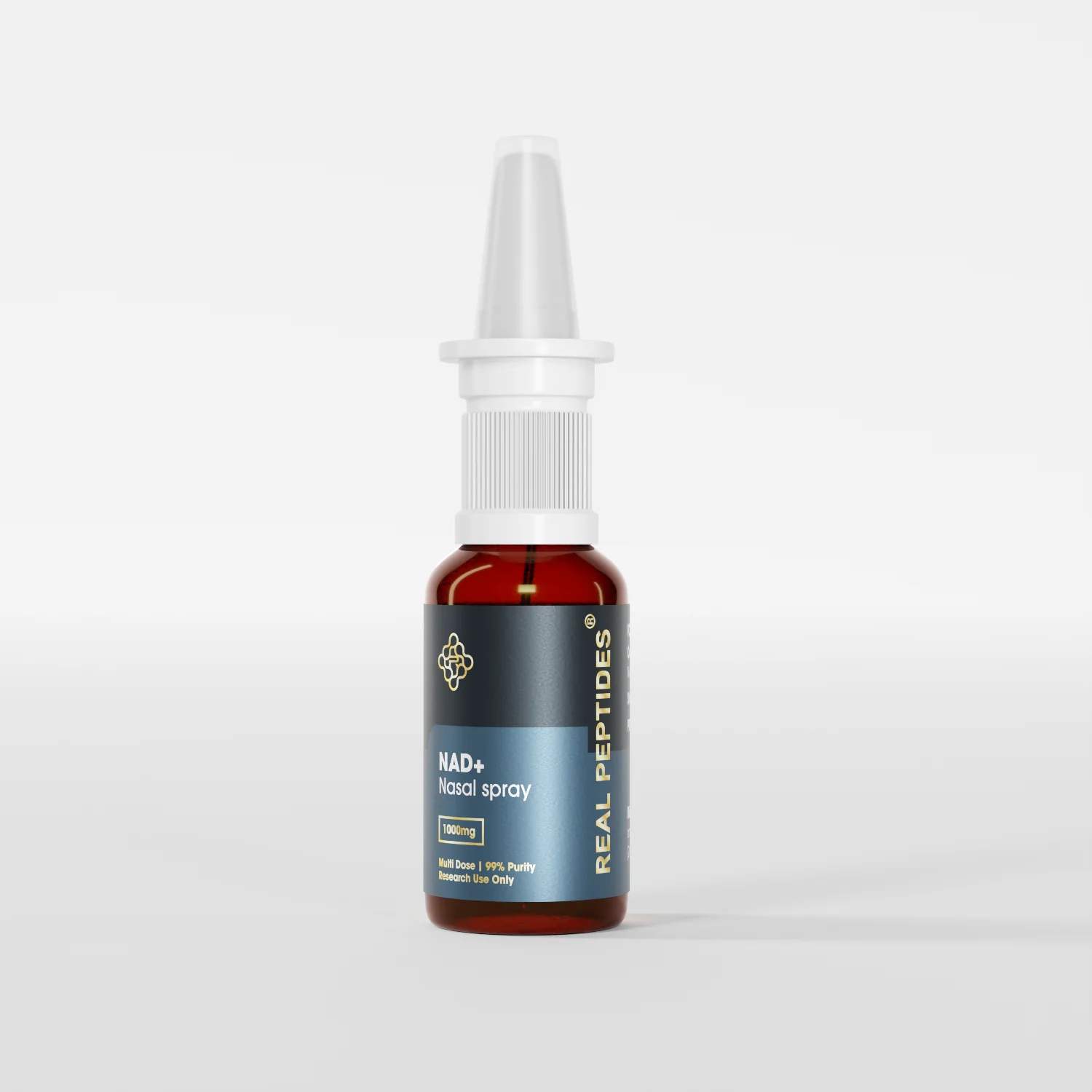
The Real Peptides 1000mg spray at $120.00 is labelled for research use and not for human consumption, so it carries no benefit claims by design. The Arc-1 spray goes through a physician, which is the right place to ask whether any expected benefit applies to you. If you are considering NAD+ for a health reason, talk to your doctor. Side-effect reports are covered on the side effects page.
Arc-1, the telehealth service that sells a $149.99 prescription NAD+ nasal spray, states in its own listing that bioavailability data for the nasal route are limited. That single line frames every claim about NAD spray benefits. Before any benefit can apply, enough NAD+ has to get where it is supposed to go, and for sprays that has not been well measured.
Numerous types of vendor and clinic copy regarding NAD+ have been reviewed by us. The information in this page differentiates what is scientifically backed and what is simply marketing.
One of the coenzymes located in all living cells is NAD+. This substance is essential for the process in which cells transform food into energy.
Several researches show that the NAD+ level decreases with age. This is the base principle for most of the claims made about the advantages of the NAD spray. Logic suggests the following: if the levels are low, they need to be restored for the improvement to be achieved. The first part of the logic is valid. The second part, however, is merely guesswork and it is where the evidence becomes scarce.
The body can also make NAD+ from precursors such as NMN and NR, which are sold as oral supplements. Our NMN vs NAD+ comparison covers how that route differs.
NAD+ benefit statements are mostly backed by animal studies and cell research rather than controlled human clinical trials. This is the most important detail to remember while looking through a sales page about these benefits.
Research done in laboratories and with animals has investigated NAD+ in terms of energy metabolism and aging. These results in those models serve as grounds for claims related to energy and aging. There is little evidence in humans for injected NAD+ in terms of energy, aging and weight loss. The body of evidence on nasal sprays in humans is not only scanty but the mode of administration itself has little data on bioavailability.
Here is how the evidence stacks up by type, in plain terms:
| Evidence type | What it shows | Applies to sprays directly |
|---|---|---|
| Cell studies | NAD+ role in energy metabolism | No |
| Animal studies | Effects of raising NAD+ in models of ageing and metabolism | No |
| Human data, injectable NAD+ | Limited | No |
| Human data, nasal route | Bioavailability data limited | Yes, and it is the weakest link |
Weight loss is the most obvious NAD+ claim that is not supported by evidence in human clinical trials although it is still frequently seen in advertisements by clinics and telemedicine providers.
Anti-aging claims are in the same category. The decrease in NAD+ with age does not prove that a spray can reverse anything; claims that an NAD+ product cures or prevents a disease is an entirely different matter, as there is no NAD+ spray, not even a research grade or compounded form, that has been approved as a drug for anything by the FDA.
One error made by buyers arises when they assume that a clinic being popular should be taken as proof for its credibility. Though clinics, med-spas, and telehealths all provide NAD+, the demand shouldn’t be mistaken for data.
Even if there is solid human evidence for NAD+ by itself, a spray must have evidence that the delivery of the actual molecule actually occurs.
The limited human evidence that exists concerns injectable NAD+. A spray is a different delivery path with a different absorption profile, and results from one format cannot be carried over to another. The needle-free format is a real convenience. It is not a benefit to the body. If you want the mechanics, our page on how NAD nasal spray is supposed to work goes through the theory and its gaps.